A short history of Indian cinema
From a silent film made in Bombay in 1913 to an Oscar-winning song more than a century later.
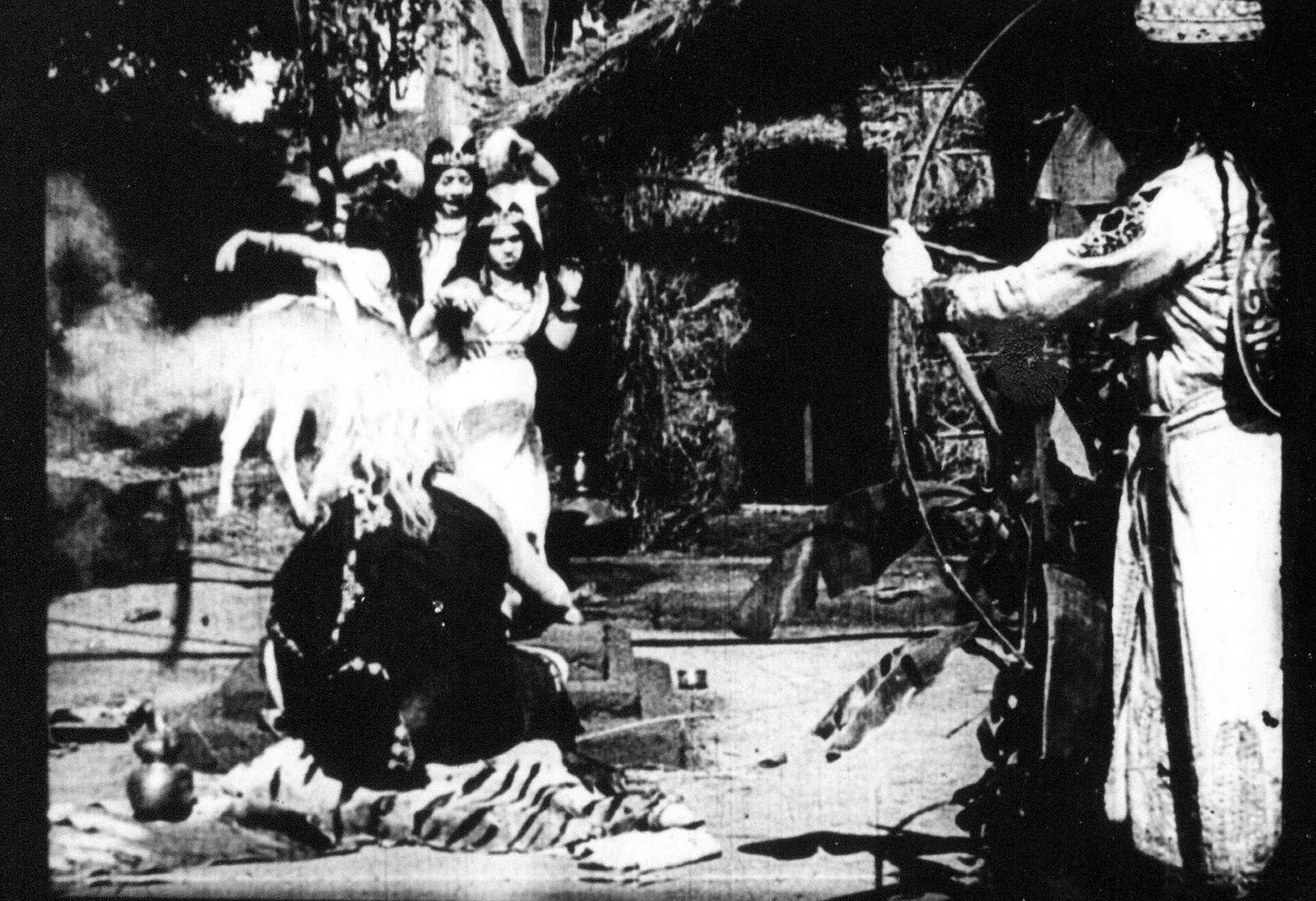
1913–1930: the silent pioneers
Dadasaheb Phalke's Raja Harishchandra (1913), based on a story from Hindu mythology, is counted as the first full-length Indian feature film. Phalke made dozens more, and India's highest film honour, the Dadasaheb Phalke Award, is named after him.
1931–1940s: talkies and studios
Alam Ara (1931) was the first Indian sound film, and with sound came songs, which have been at the centre of Indian cinema ever since. Studios such as Prabhat in Pune, Bombay Talkies and New Theatres in Calcutta made films in several languages.
1950s–1960s: the golden age
After independence, Hindi cinema produced some of its most admired films: Raj Kapoor's social comedies, Guru Dutt's melancholy dramas, Bimal Roy's realism, and epics such as Mother India and Mughal-e-Azam. In Bengal, Satyajit Ray's Pather Panchali (1955) won international acclaim.
1970s–1980s: parallel cinema and the angry young man
Government-supported "parallel cinema" by directors such as Shyam Benegal, Mrinal Sen and Adoor Gopalakrishnan told realistic stories. At the same time, writers Salim–Javed and Amitabh Bachchan created the "angry young man" of mainstream hits, and Sholay (1975) became the biggest of them all.
1990s: romance and the overseas Indian
After the economy opened up, big family romances such as Dilwale Dulhania Le Jayenge (1995) made Shah Rukh Khan a superstar and looked to the growing overseas Indian audience. In the south, Mani Ratnam and A. R. Rahman reached audiences across the country.
2000s–2010s: multiplexes and new voices
Multiplex cinemas made room for smaller, sharper films alongside the blockbusters: Lagaan, 3 Idiots, Zindagi Na Milegi Dobara, Gangs of Wasseypur, Dangal.
2015 onwards: the pan-India era and streaming
Baahubali showed that a Telugu film could conquer the whole country in Hindi. K.G.F, RRR, Kantara and Pushpa 2 followed. Streaming services meanwhile brought Malayalam and other regional films to viewers who would never have found them in a cinema, and helped small films like 12th Fail and Laapataa Ladies find huge audiences.